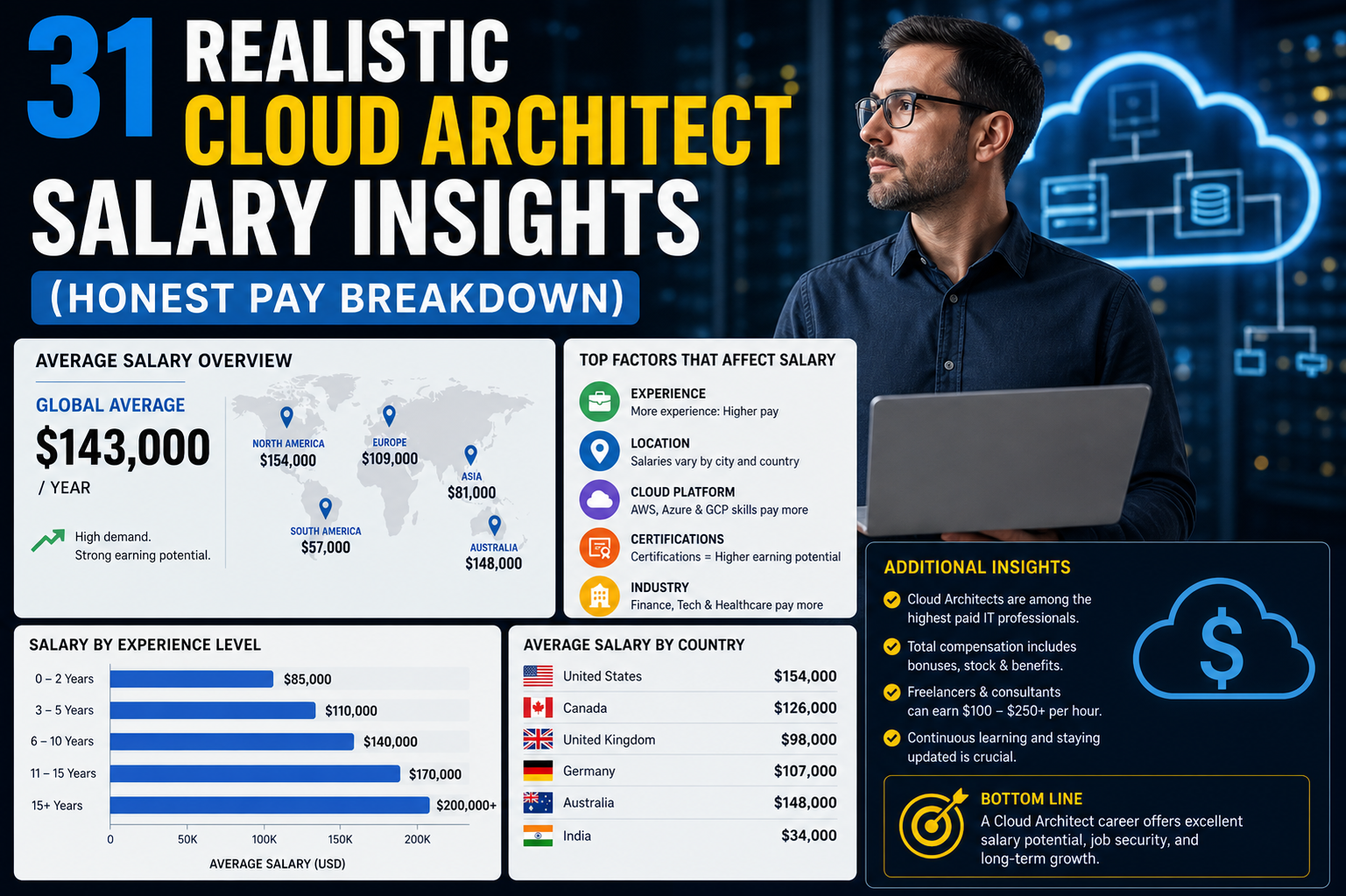
Cloud architect salaries are not fixed and can differ significantly depending on location, experience, and industry demand. In some regions where technology companies are less concentrated, compensation tends to be more modest, while in areas with strong digital economies, salaries can rise substantially. This variation reflects how organizations value cloud expertise based on business needs and competition for skilled professionals. As cloud computing becomes more essential for modern operations, the role continues to gain financial importance across industries.
What a Cloud Architect Does in Modern Technology Environments
A cloud architect is responsible for designing, building, and managing cloud-based systems that support business operations. Their work involves creating scalable, secure, and efficient cloud infrastructures that allow organizations to store data, run applications, and process workloads. They also evaluate different cloud providers and decide how services should be structured to meet business goals. This makes them a key decision-maker in an organization’s digital transformation journey.
How Cloud Architects Support Business Strategy and Growth
Beyond technical responsibilities, cloud architects play a strategic role in shaping how companies grow and adapt to digital environments. They ensure that cloud systems are not only functional but also cost-efficient and future-ready. Their decisions influence system performance, data accessibility, and overall business agility. By aligning cloud architecture with business objectives, they help organizations remain competitive in fast-changing markets.
The Real-World Analogy of Cloud Architecture Work
The role of a cloud architect can be compared to that of a building architect who designs physical structures. Just as a building architect considers space usage, structural strength, and long-term durability, a cloud architect evaluates system requirements, scalability, and security. They plan how different components of a digital system will interact and ensure everything functions smoothly as a unified structure. This analogy highlights the complexity and responsibility involved in the profession.
Core Responsibilities in Cloud System Design and Planning
Cloud architects are responsible for designing the overall structure of cloud environments. This includes selecting appropriate technologies, planning system architecture, and ensuring integration between various services. They must also anticipate future growth and design systems that can scale without performance issues. Their role often involves balancing technical efficiency with business requirements to create optimized solutions.
Managing Cloud Infrastructure Across Different Platforms
Modern cloud environments often involve multiple platforms and services. Cloud architects must understand how to work with various providers and ensure seamless integration between them. This includes managing storage systems, computing resources, and networking configurations. Their ability to coordinate these elements effectively determines how reliable and efficient the final system will be.
Overview of Salary Expectations in the Cloud Architecture Field
Compensation for cloud architects is generally high compared to many other IT roles due to the level of expertise required. However, salary levels are not uniform and depend on multiple factors such as experience, certifications, and the complexity of responsibilities. Entry-level professionals earn less, while experienced architects managing large-scale systems can command significantly higher pay. This wide range reflects the demand for specialized skills in cloud computing.
Why Salary Differences Exist Across Locations
Geography plays a major role in determining how much a cloud architect earns. In areas where technology companies are concentrated, demand for skilled professionals is higher, which leads to better compensation packages. In contrast, regions with fewer tech-driven industries often offer lower salaries. This difference is also influenced by cost of living and regional economic conditions, making location a key factor in salary variation.
Impact of Industry Demand on Cloud Architect Compensation
Different industries place different levels of importance on cloud infrastructure, which affects salary structures. Sectors such as finance, healthcare, and telecommunications often require advanced cloud systems and therefore offer higher compensation. These industries depend heavily on secure, scalable, and high-performance digital environments, increasing the demand for skilled cloud architects.
Experience as a Key Factor in Salary Growth
Experience is one of the strongest determinants of a cloud architect’s earning potential. Professionals with years of hands-on experience in designing and managing cloud systems are more likely to secure higher-paying roles. With experience, architects gain deeper knowledge of system optimization, troubleshooting, and enterprise-level design, all of which increase their value to employers.
Difference Between Entry-Level and Senior Cloud Roles
Entry-level cloud architects typically focus on supporting existing systems and assisting with basic design tasks. In contrast, senior cloud architects take on leadership roles, overseeing entire cloud infrastructures and making high-level architectural decisions. This difference in responsibility directly impacts salary levels, with senior professionals earning significantly more due to their expertise and decision-making authority.
The Expanding Role of Senior Cloud Professionals
As organizations grow, the need for experienced cloud architects becomes more critical. Senior professionals are expected to manage complex environments, lead technical teams, and ensure system reliability at scale. Their responsibilities often extend beyond technical execution to include strategic planning and long-term infrastructure development.
Why Salary Ranges Vary Even Within the Same City
Even within a single location, cloud architect salaries can vary widely. This is due to differences in skill levels, certifications, and the specific requirements of each job. Some positions demand advanced expertise and leadership abilities, while others focus on more limited technical tasks. As a result, professionals with stronger qualifications often earn significantly higher compensation even in the same geographic area.
How Cloud Architecture Combines Technical and Strategic Skills
Cloud architecture requires a combination of deep technical knowledge and strategic thinking. Professionals must understand how systems are built and also how they support business objectives. This dual requirement makes the role highly specialized and valuable. Companies rely on cloud architects not just to build systems but to ensure those systems align with long-term business goals.
Importance of System Integration in Cloud Environments
One of the key responsibilities of cloud architects is ensuring smooth integration between different systems and services. Modern enterprises often use multiple cloud platforms, and these must work together efficiently. Poor integration can lead to performance issues and increased costs, making this skill essential for successful cloud architecture.
Growing Dependence on Cloud-Based Infrastructure
Organizations are increasingly shifting their operations to cloud-based systems due to their flexibility and scalability. This shift has increased demand for skilled cloud architects who can design and manage these environments effectively. As businesses continue to adopt cloud technologies, the importance of this role continues to grow across industries.
Early Insight Into Salary Progression Opportunities
Cloud architecture offers strong long-term earning potential, especially for professionals who continuously develop their skills. As expertise increases, opportunities for higher-paying roles become more accessible. Organizations value individuals who can manage complex systems and contribute to strategic decision-making, which leads to greater compensation over time.
Advanced Factors That Influence Cloud Architect Earnings
Cloud architect salaries are shaped by far more than just job title or location. Advanced technical capability, specialization, and the ability to design enterprise-level systems play a major role in determining compensation. Employers tend to pay higher salaries to professionals who can handle complex infrastructure challenges without supervision. This includes designing secure environments, optimizing performance, and ensuring scalability across large systems. The more responsibility a cloud architect can take on, the more valuable they become in the job market.
Importance of Cloud Service Providers in Salary Growth
A major factor that influences earnings is knowledge of leading cloud service providers. Organizations rely heavily on platforms that deliver computing power, storage, and networking capabilities at scale. Cloud architects who understand how these systems work and how to deploy them effectively are in higher demand. Familiarity with multiple providers increases flexibility and allows professionals to work on diverse projects, which often leads to better compensation opportunities.
Role of Cloud Storage Systems in Professional Value
Cloud storage systems are a foundational part of modern infrastructure, and architects must understand how data is stored, accessed, and protected. Businesses depend on secure and scalable storage solutions to manage increasing data demands. Cloud architects who can design efficient storage strategies that reduce costs while maintaining performance are highly valued. This expertise directly contributes to higher salary potential, especially in data-heavy industries.
Cloud Computing Expertise as a Core Salary Driver
Cloud computing is one of the most critical skills for cloud architects. It involves managing virtual servers, processing workloads, and ensuring system efficiency across distributed environments. Professionals who understand how to allocate computing resources effectively are able to reduce operational costs for organizations. This ability to optimize cloud usage makes them essential assets, which is reflected in higher salary offers.
Networking Knowledge and Its Impact on Compensation
Networking plays a vital role in cloud architecture because it ensures smooth communication between systems, applications, and users. Cloud architects must design networks that are secure, fast, and reliable across different environments. This includes managing hybrid setups and ensuring seamless connectivity between cloud and on-premises systems. Strong networking knowledge increases a professional’s value, often leading to higher pay.
Hybrid and Multi-Cloud Environment Expertise
Modern organizations rarely rely on a single cloud platform. Instead, they use multiple services to meet different operational needs. Cloud architects who can manage hybrid and multi-cloud environments are especially valuable. This requires understanding how different systems interact and how to maintain consistency across platforms. Professionals with this capability are often placed in senior roles with significantly higher salaries.
How Technical Depth Directly Increases Salary Levels
The depth of technical knowledge a cloud architect possesses is directly linked to earning potential. Professionals who understand advanced system design, automation, security frameworks, and infrastructure optimization are more likely to secure high-paying positions. Employers prioritize individuals who can solve complex problems independently, reducing the need for additional oversight or external consulting.
Importance of Vendor-Specific Knowledge in Cloud Careers
Many organizations rely on specific cloud vendors for their infrastructure needs. Understanding how these vendors operate and how to implement their services effectively is essential for cloud architects. Vendor-specific expertise allows professionals to design optimized solutions tailored to business needs. This specialization often leads to higher compensation, especially when working with large enterprises.
Why Certification Matters for Salary Progression
Certifications are an important factor in validating a cloud architect’s expertise. They demonstrate that a professional has mastered specific tools and platforms used in the industry. Employers often use certifications as a benchmark when hiring or promoting candidates. Certified cloud architects are generally considered more reliable and are often offered higher salaries compared to non-certified professionals.
Value of Platform-Based Certification in Cloud Roles
Platform-based certifications are particularly valuable because they are directly aligned with industry tools. These certifications confirm that a cloud architect understands how to design, deploy, and manage systems using specific technologies. Organizations trust these credentials because they reflect real-world skills that can be applied immediately in enterprise environments. This trust often translates into better salary packages.
Impact of Continuous Skill Development on Earnings
Cloud architecture is a rapidly evolving field, and continuous learning is essential for long-term success. Professionals who regularly update their skills stay relevant in the job market and are more likely to access higher-paying opportunities. Learning new tools, frameworks, and architectural approaches allows cloud architects to take on more complex roles, increasing their earning potential over time.
Company Size and Its Effect on Cloud Architect Salaries
The size of an organization can significantly influence salary levels. Large enterprises typically have more complex infrastructure needs and larger budgets, allowing them to offer higher compensation. These companies often require cloud architects to manage extensive systems, making the role more demanding but also more rewarding financially. Smaller organizations may offer lower salaries but provide broader exposure to multiple responsibilities.
Industry-Specific Demand for Cloud Architecture Skills
Different industries place varying levels of importance on cloud infrastructure. Sectors that handle large amounts of sensitive data or require high system availability tend to invest more in cloud architecture. This increased demand leads to better salary structures for professionals working in those industries. Cloud architects in such environments often handle mission-critical systems, which increases their value and compensation potential.
High-Value Skills That Increase Cloud Architect Salaries
Cloud architect salaries are strongly influenced by the depth and range of skills a professional brings to the role. Employers are willing to pay more for individuals who can handle complex system design, troubleshoot large-scale infrastructure issues, and optimize cloud performance. Skills such as automation, security architecture, and cost optimization are especially valuable. The more versatile a cloud architect is, the more opportunities they have to access higher-paying positions.
Role of Problem-Solving Ability in Cloud Architecture Pay
Problem-solving is one of the most critical skills in cloud architecture. Organizations rely on cloud architects to identify inefficiencies, resolve system failures, and design solutions that prevent future issues. Strong analytical thinking allows professionals to manage unexpected challenges in large cloud environments. This ability reduces risk for companies, making highly skilled problem solvers more valuable and better compensated.
Importance of Security Expertise in Cloud Systems
Security is a major concern in cloud environments because organizations store sensitive data and run critical applications online. Cloud architects must design systems that protect against unauthorized access, data breaches, and cyber threats. Professionals who specialize in cloud security are in high demand because they help safeguard business operations. This specialization often leads to significantly higher salary offers due to the importance of risk prevention.
How Automation Skills Improve Career Value
Automation plays a key role in modern cloud systems by reducing manual tasks and improving efficiency. Cloud architects who understand automation tools can design systems that self-manage and scale automatically based on demand. This reduces operational costs and improves system reliability. As a result, professionals with automation expertise are often considered more advanced and are rewarded with higher compensation.
Importance of System Optimization Knowledge
System optimization is essential for ensuring that cloud environments run efficiently. Cloud architects must design infrastructure that balances performance and cost while maintaining reliability. Optimization includes improving processing speed, reducing latency, and minimizing resource waste. Professionals who can consistently improve system efficiency are highly valued in the job market and often earn higher salaries.
How Cloud Architects Support Digital Transformation
Cloud architects play a major role in helping organizations transition from traditional systems to cloud-based infrastructure. This process, known as digital transformation, requires careful planning and execution. Architects design migration strategies, ensure data integrity, and minimize downtime during transitions. Their expertise directly influences how smoothly a company adapts to modern technology, making their role highly valuable.
Impact of Enterprise-Level Projects on Salary Growth
Working on large enterprise-level projects significantly increases a cloud architect’s earning potential. These projects involve managing complex systems with high availability requirements and large-scale data processing. Architects who handle such responsibilities gain advanced experience that makes them more competitive in the job market. This often leads to higher salary offers and leadership opportunities.
Why Leadership Skills Matter in Cloud Architecture
Leadership is an important factor in cloud architect career growth. Professionals who can lead technical teams, coordinate projects, and communicate effectively with stakeholders are often placed in senior roles. Leadership responsibilities increase the scope of the job and directly influence salary levels. Employers value architects who can guide both technical execution and strategic planning.
Cloud Migration Expertise and Its Financial Impact
Cloud migration is the process of moving data and applications from traditional systems to cloud environments. This is a complex task that requires careful planning to avoid data loss or system disruption. Cloud architects who specialize in migration are in high demand because they enable organizations to modernize their infrastructure. This expertise often results in higher compensation due to the complexity of the work involved.
Scalability Planning as a Key Technical Skill
Scalability is essential for businesses that expect growth or fluctuating demand. Cloud architects must design systems that can expand or contract based on usage requirements. This ensures that applications remain stable under heavy loads without wasting resources during low demand periods. Professionals who excel in scalability planning are highly valued because they help organizations maintain performance efficiency.
Importance of Multi-Platform Experience
Experience with multiple cloud platforms increases a cloud architect’s versatility and job opportunities. Many organizations use a combination of cloud services, requiring architects who understand how different systems work together. Multi-platform expertise allows professionals to design flexible solutions that meet diverse business needs. This adaptability often leads to higher salary packages.
Cloud Cost Management and Financial Efficiency Skills
Cloud cost management is a critical responsibility because organizations aim to control their cloud spending. Cloud architects must design systems that maximize performance while minimizing unnecessary expenses. This includes optimizing resource usage and selecting cost-effective services. Professionals who can reduce operational costs while maintaining system quality are highly valued in the job market.
Role of Infrastructure Design in Career Advancement
Infrastructure design is a core responsibility of cloud architects. It involves structuring cloud environments to ensure reliability, security, and performance. Well-designed infrastructure reduces downtime and improves user experience. Architects who consistently deliver efficient system designs are often promoted to higher roles with increased salaries.
How Industry Experience Shapes Earning Potential
Industry experience plays a significant role in determining salary levels. Cloud architects who have worked across multiple industries gain broader knowledge of different system requirements and challenges. This experience allows them to adapt quickly to new environments and provide more effective solutions. Employers often reward this versatility with higher compensation.
Demand for Cloud Architects in Large-Scale Organizations
Large organizations require highly skilled cloud architects to manage complex digital infrastructures. These companies operate at scale and depend on cloud systems for daily operations. As a result, they invest heavily in experienced professionals who can ensure system stability and performance. This demand creates strong salary opportunities for qualified architects.
How Cloud Architecture Supports Business Efficiency
Cloud architects contribute directly to business efficiency by designing systems that improve performance and reduce operational costs. Their work ensures that applications run smoothly and resources are used effectively. This leads to improved productivity across organizations. Because of this impact, cloud architects are considered essential roles in modern businesses.
Growing Importance of Real-Time Data Management
Real-time data processing is becoming increasingly important in modern applications. Cloud architects must design systems capable of handling continuous data streams efficiently. This requires advanced knowledge of system architecture and performance optimization. Professionals who can manage real-time environments are in high demand and often receive higher salaries.
Connection Between Innovation and Salary Growth
Innovation in cloud architecture often leads to higher earning potential. Professionals who adopt new technologies and design modern solutions are more likely to stand out in the job market. Companies value innovative thinking because it leads to improved efficiency and competitive advantage. This recognition often translates into better compensation packages.
Industry Specialization and Its Effect on Cloud Architect Earnings
Cloud architect salaries can vary significantly based on the industry in which a professional works. Certain industries demand highly secure, scalable, and always-available systems, which increases the value of skilled architects. Fields such as finance, healthcare, telecommunications, and large-scale technology services often require advanced cloud infrastructures. Because of this, professionals working in these industries are typically offered higher compensation compared to those in less complex environments.
Cloud Architecture Demand in Financial Systems
The financial sector relies heavily on secure and high-performance cloud systems. Banks, insurance companies, and fintech organizations handle sensitive data and large volumes of transactions that require constant availability. Cloud architects in this industry are responsible for designing systems that ensure data protection, regulatory compliance, and uninterrupted service. Due to the critical nature of these systems, professionals in financial services often receive some of the highest salaries in the field.
Healthcare Systems and Cloud Infrastructure Requirements
Healthcare organizations increasingly depend on cloud-based systems to manage patient records, diagnostic data, and operational workflows. Cloud architects in this sector must ensure that systems meet strict privacy and security standards while remaining accessible and efficient. The complexity of healthcare data management increases the demand for experienced professionals. As a result, cloud architects working in healthcare environments often receive competitive compensation packages.
Telecommunications Industry and Large-Scale Cloud Operations
The telecommunications industry operates massive digital networks that require continuous performance and reliability. Cloud architects in this field are responsible for designing infrastructure that supports millions of users simultaneously. They ensure network stability, optimize data flow, and manage system scalability. Because of the scale and complexity of telecom systems, salaries in this industry are often higher than in many other sectors.
Technology Companies and High-Demand Cloud Expertise
Technology companies are among the largest employers of cloud architects. These organizations rely heavily on cloud systems for application development, data storage, and service delivery. Cloud architects in tech companies often work on cutting-edge systems that require advanced technical knowledge. The competitive nature of the technology industry leads to strong salary offers for professionals with specialized cloud skills.
Impact of Organizational Size on Salary Levels
The size of an organization has a direct influence on cloud architect compensation. Large enterprises typically have more complex infrastructure and larger budgets, allowing them to offer higher salaries. These organizations require architects who can manage distributed systems and ensure seamless performance across multiple environments. Smaller companies may offer lower salaries but often provide broader exposure to different responsibilities.
Enterprise-Level Cloud Systems and Compensation Growth
Enterprise environments involve managing large-scale cloud systems that support thousands or even millions of users. Cloud architects working in such environments are responsible for ensuring stability, security, and performance across all systems. The complexity of enterprise architecture increases the demand for experienced professionals, which directly contributes to higher salary levels.
How Cloud Architecture Supports Business Continuity
Cloud architects play a vital role in ensuring business continuity by designing systems that remain operational even during failures or disruptions. They implement redundancy, backup systems, and disaster recovery strategies to maintain uptime. This responsibility is critical for organizations that rely heavily on digital systems. Because of the importance of uninterrupted service, skilled architects are highly valued.
Role of Disaster Recovery Planning in Cloud Systems
Disaster recovery planning is a key responsibility for cloud architects. It involves preparing systems to recover quickly from unexpected failures such as cyberattacks, hardware issues, or natural disruptions. Architects must design strategies that minimize downtime and data loss. Professionals with strong disaster recovery expertise are often rewarded with higher salaries due to the importance of system resilience.
Cloud Performance Optimization and Its Financial Value
Performance optimization ensures that cloud systems run efficiently under different workloads. Cloud architects must continuously monitor and improve system performance to meet business demands. This includes reducing latency, improving processing speed, and balancing resource usage. Organizations value professionals who can enhance system performance while controlling costs, leading to higher compensation.
Importance of Cost Efficiency in Cloud Strategy
Cost efficiency is a major factor in cloud system design. Cloud architects must ensure that organizations use resources effectively without unnecessary spending. This involves selecting appropriate services, optimizing workloads, and eliminating waste. Professionals who can reduce operational costs while maintaining high performance are highly valued in the job market.
Hybrid Cloud Strategy and Professional Demand
Hybrid cloud environments combine private and public cloud systems to create flexible infrastructure solutions. Cloud architects who understand how to design and manage hybrid systems are in high demand. These environments require careful integration and coordination between different platforms. Expertise in hybrid cloud design often leads to higher salary opportunities.
Multi-Cloud Management and Advanced Skill Requirements
Many organizations use multiple cloud providers to meet different operational needs. Managing these environments requires advanced technical knowledge and strategic planning. Cloud architects must ensure that systems work together seamlessly across platforms. Professionals with multi-cloud expertise are often considered highly skilled and are compensated accordingly.
Cloud Automation and Its Role in Efficiency
Automation in cloud environments reduces manual intervention and improves system efficiency. Cloud architects who implement automation tools can significantly enhance performance and reliability. Automation also helps reduce operational costs and human error. This makes automation skills highly valuable and often linked to higher salary levels.
Security Architecture as a High-Value Specialization
Security architecture is one of the most important areas in cloud computing. Cloud architects must design systems that protect data from threats and ensure compliance with security standards. Organizations place high value on professionals who can secure complex cloud environments. This specialization often leads to premium salary offers.
Role of Compliance and Regulatory Requirements
Many industries operate under strict regulatory frameworks that govern data handling and security. Cloud architects must ensure that systems comply with these regulations. This includes implementing secure data storage, access control, and monitoring systems. Expertise in compliance-related architecture increases professional value and earning potential.
Cloud Architecture and Long-Term Career Stability
Cloud architecture offers strong long-term career stability due to the continuous growth of cloud adoption across industries. As more organizations move their operations to the cloud, demand for skilled professionals continues to rise. This creates consistent opportunities for career advancement and salary growth over time.
Continuous Learning as a Driver of Professional Growth
Continuous learning is essential in cloud architecture due to the rapid evolution of technology. Professionals must stay updated with new tools, platforms, and best practices. Those who invest in ongoing learning are more likely to advance into higher-paying roles. This commitment to growth directly influences long-term salary progression.
Expanding Opportunities in Global Cloud Markets
Cloud architecture is a global profession with opportunities across different countries and industries. Organizations worldwide require skilled professionals to manage cloud infrastructure. This global demand creates diverse career paths and increases earning potential for experienced cloud architects.
Long-Term Career Growth and Final Salary Outlook in Cloud Architecture
Cloud architecture is widely considered one of the most stable and financially rewarding career paths in the technology sector. As organizations continue shifting toward digital-first operations, the need for skilled professionals who can design and manage cloud systems keeps increasing. This long-term demand creates consistent opportunities for career advancement, higher responsibility roles, and improved compensation over time. Professionals who stay active in learning and adapting to new cloud technologies often experience steady salary growth throughout their careers.
How Career Progression Shapes Final Earning Potential
Career progression in cloud architecture is strongly tied to experience, specialization, and leadership ability. Early roles usually focus on assisting with system design and supporting existing cloud environments. As professionals gain expertise, they move into more advanced roles where they design full-scale architectures and lead infrastructure planning. At senior levels, cloud architects often take ownership of enterprise-wide systems, which significantly increases their earning potential due to the complexity and responsibility involved.
Role of Advanced Specialization in Maximum Salary Growth
Specialization is one of the most important factors in reaching higher salary levels in cloud architecture. Professionals who develop expertise in areas such as security architecture, large-scale system design, automation, or multi-cloud management are often rewarded with better compensation. Specialized knowledge allows cloud architects to solve complex problems that generalists may not handle, making them highly valuable to organizations with advanced infrastructure needs.
Importance of Leadership and Decision-Making Responsibility
Leadership ability plays a major role in determining the upper range of cloud architect salaries. Professionals who can guide teams, make architectural decisions, and align technical solutions with business goals are often placed in senior positions. These roles involve high responsibility because decisions directly affect system performance, security, and operational efficiency. As responsibility increases, compensation typically rises as well.
Impact of Enterprise Architecture Ownership on Salary Levels
Owning enterprise-level architecture significantly increases a cloud architect’s value in the job market. These professionals are responsible for designing and maintaining large-scale systems that support entire organizations. They must ensure that infrastructure remains stable, secure, and scalable under high demand. Because of the critical nature of this responsibility, enterprise architects often receive some of the highest salaries in the field.
How Cloud Innovation Drives Higher Compensation Opportunities
Innovation in cloud architecture continues to influence salary trends. Professionals who adopt modern technologies, improve system efficiency, and implement advanced architectural patterns are often recognized for their contributions. Organizations value innovative thinkers because they help reduce costs, improve performance, and enhance system reliability. This recognition often translates into better career opportunities and increased earnings.
Value of Cross-Industry Experience in Salary Advancement
Cloud architects who gain experience across multiple industries often have stronger earning potential. Exposure to different business environments helps professionals understand varied system requirements, compliance standards, and operational challenges. This broad experience allows them to design more flexible and efficient solutions. Employers often reward this adaptability with higher compensation due to the added value it brings.
Role of Cloud Strategy in Executive-Level Opportunities
At the highest levels of cloud architecture, professionals are often involved in strategic decision-making. They contribute to long-term technology planning and help shape how organizations use cloud infrastructure to achieve business goals. These responsibilities move beyond technical execution and into strategic leadership. As a result, cloud architects in these roles often earn salaries comparable to senior technology executives.
How Continuous Certification Enhances Long-Term Earnings
Certifications continue to play an important role throughout a cloud architect’s career. While early certifications help secure entry-level positions, advanced certifications support long-term career growth. They validate deeper expertise and demonstrate commitment to staying current with evolving technologies. Professionals who continuously update their certifications are more likely to access higher-paying roles and leadership positions.
Future Demand Trends for Cloud Architecture Roles
The demand for cloud architects is expected to remain strong as more organizations expand their cloud usage. Businesses are increasingly dependent on scalable, secure, and efficient cloud systems to support digital operations. This growing reliance ensures that skilled cloud architects will continue to be in high demand across industries, supporting strong salary prospects in the future.
How Automation and Artificial Intelligence Shape Future Salaries
Automation and artificial intelligence are transforming cloud environments by improving efficiency and reducing manual workloads. Cloud architects who understand how to integrate these technologies into cloud systems are becoming more valuable. As automation becomes more widespread, professionals with expertise in intelligent cloud design are likely to see increased salary opportunities.
Final Conclusion
Overall, cloud architect salaries are influenced by a combination of experience, specialization, industry demand, technical expertise, and leadership ability. The field offers strong long-term earning potential for professionals who continuously develop their skills and adapt to new technologies. As cloud systems become more central to global business operations, the value of skilled cloud architects continues to grow steadily across all major industries.